

Upvc Door Locking Mechanism Replacement - DIY Or Call in a Professional?
The lock on your upvc door is a vital piece of security for your home. It can be a hassle to get into your home if the lock is damaged or no longer works.
Fortunately, replacing a upvc multipoint locking mechanism is a DIY job that is easy to do. However, you must ensure that you purchase a replacement lock from same manufacturer to ensure that it will fit.
Repairing the cylinder of a lock that is stuck
A functional door lock is an essential aspect of protecting your home and its contents secure. If a lock malfunctions it can cause inconvenience and potentially dangerous. There are a few steps you can take to correct this problem. If the cylinder is stuck and you want to loosen it, you can use a lubricant to loosen it. You can now open and close uPVC door without having to worry about the security of your home.
The first thing you need to do is determine the uPVC lock you own. The lock will be identified with a serial number or brand name. You can also employ a screwdriver for the removal of the handle and then check the cylinder for this information. Once you know the type of cylinder that you have, it is possible to replace it.
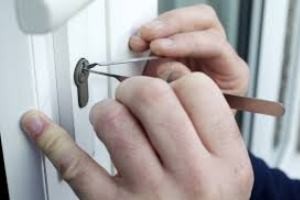
A gearbox that is not working properly can make it difficult to pull the handle down. This could be due to damage or ageing. A professional locksmith will be able to fix this problem for you.
It's also a good idea to check your uPVC doors and windows for signs of wear and tear. This will help you to have an entrance that is functional and secure, and will make it easier to detect issues before they get worse. This will stop you from having to pay for costly repairs in the near future.
It is a good idea to read the instruction from the manufacturer and collect the necessary tools before you start any repairs. This will allow you to comprehend how the system operates and help you with the repair process. You may need a wrench, screwdriver, hammer and drill. Wearing gloves for work is essential to avoid injuries caused by sharp edges.
After you have finished, you should also test the cylinder. This can be done by inserting a key into the cylinder and turning it. Make sure that the key is inserted correctly into the cylinder and it is compatible with the door. You can also use a spirit level to determine how straight the cylinder is in relation to the door hinges.
The process of replacing your uPVC lock's mechanism may be intimidating at first but it's actually an easy job and you can do it yourself without the need for a locksmith. After you've changed your uPVC lock, it's important to test the cylinder and handle to see if there are any issues.
Adjusting the keep
Anyone who has basic DIY handyman skills can complete this task. If you are not a seasoned locksmith, it is recommended to have a professional take on the job. This will ensure that you get the results you need and also avoid any unnecessary damage to your door or frame.
The first thing you need to do before beginning the repair process is to consult the manual provided by your manufacturer for any instructions specific to the lock you have installed. uPVC door lock. It is also important to gather the necessary tools and materials to complete the task. In addition, make sure that you are safe to work by placing an obstruction like a doorstop or a block of wood beneath your door to keep it in place while you work.
Depending on the root of the issue You may have to dismantle part of the door's hardware in order to examine the mechanism. In this case it is crucial to use an approved lubricant by the manufacturer. The lubricant you choose to use should not attract dirt or dust. It is recommended to lubricate the hinges inside your door every six months or earlier in the event that you notice they are becoming stiff.
There are a variety of reasons your uPVC doors might be causing a sticking. One reason is that it could be a bit out of alignment with the hinges. This is more common for doors that are older. Changes in weather can also cause the door to expand or contraction. This can cause the lock to get stuck.
It could be that the gearbox is malfunctioning if the handle does not lift the latch to lock the doors. This is a simple fix for most homes. It's important to know that this isn't a solution for doors that have been hit or kicked as the uPVC handle is not likely to be able to lift this kind of force.
An effective way to determine whether the issue is related to the gearbox is by opening the door using a key, and then look at how far the handle is raised in relation to the hinge. If the gap between the handle and the hinge is too wide, it could be an indication of a broken or worn-out gearbox.
Replacing the lever or handle
It might be difficult to replace your upvc lock initially, but it is not as difficult as you imagine. Utilizing a few tools and the right expertise will help you get the job done in no time. You can also save money by doing the job yourself rather than hiring a locksmith professional. The biggest question is whether you should DIY or hire a professional? It can be great to improve your techniques and save money by doing the work yourself. However in the event that the project turns into Thor's Hammer meeting Ragnarok and Ragnarok, it could be better to engage professionals.
If your upvc doors handle is loose or floppy when the key is inserted this is usually a sign that it is time to replace it because the internal mechanisms are starting to wear out. This is often because the gearbox is worn out. This can be expensive however locksmiths will be able to replace the gearbox on your behalf, which will ensure that your upvc door will function as it should.
The most frequent issue with upvc door handles is that they cannot be raised to secure the door when it is closed. This can be due to the cylinder lock, the handle or the locking mechanism itself. The key is usually inserted at an angle into the keyhole and then turned to unlock the lock. But, this is difficult if the handle is too loose or floppy.
This could be an indication of a worn cylinder or damaged locking rod. The easiest way to fix this is to lubricate the barrel of your lock and align it correctly with the handle. You can use lubricants such graphite or WD-40 or a specialized lubricant specifically designed for multipoint mechanisms. Regular lubrication should stop your upvc locks from getting stiff and will keep them working correctly for longer. This should be done every six months to ensure smooth operation. Make use of a lubricant that contains PTFE to prevent dirt and grime from blocking up the mechanism. This will make it easier to turn and lock the handle.
Fixing a sticking mechanism
Upvc lock door mechanisms require regular maintenance to ensure they function smoothly and reliably. If they are not maintained properly, they may become stiff or jammed. This can result in a loss in security. But, there are ways to address these issues before they turn into major repairs or a total failure of the system. The key to success lies in identifying the underlying problem and addressing it as soon as possible.
One of the most frequent reasons for a stiff lock mechanism is dirt or debris. This can cause the handle or latch to become stuck inside its housing. This is a relatively easy problem to diagnose. Simply place a flathead screwdriver beneath any hinge cover caps sticking out of the door's side and pop them off to reveal the ends of the hinge pins. Tap each pin with a hammer to lift them out of the barrels of the hinges. The door handle that is damaged or locking mechanism will now be able to move.
A misalignment between the door and frame can also cause a stuck uPVC. This could be caused by changes in weather conditions, resulting in the expansion or contraction of the door. To prevent this from happening, it's a good idea to apply a light lubricant on the inside of your door lock every six months or so, using an approved graphite-based product which doesn't attract dust as much as petroleum-based oil lubricants.
If you are unable to fix the problem by adjusting or replacing the lever or handle it could be necessary to replace the entire mechanism for locking. Luckily, repairmywindowsanddoors.co.uk is an easy task that is achievable by most homeowners. It is best to refer to the manual of your lock's manufacturer prior to beginning. Also take all the necessary tools and spare parts. It's also essential to put a doorstop or block of wood beneath the door to keep it stable as you work.
Make sure you identify the manufacturer prior to remove the old lock. Find the manufacturer's brand name or logo on the faceplate of the handle. This will make it easier to locate a lock that matches the style of the original.